Are Microfibre Pillows Good? Pros, Cons and Who They Suit
Walk down any pillow aisle or scroll through any online listing and the word microfibre turns up constantly. It sounds soft, it usually sits at the affordable end of the range, and it is rarely explained. So are microfibre pillows good, or is the label doing more work than the pillow?
This guide explains what a microfibre pillow is, how it feels, where it does well and where it falls short, which sleepers it suits, and how it compares with hollowfibre and natural fills. We have tried to be balanced, because a soft synthetic pillow is excellent for some people and the wrong choice for others.
The short answer
- Microfibre pillows are good for people who want a soft, light, affordable pillow that contains no feathers or down.
- They tend to feel softer and silkier than standard hollowfibre, but they generally offer gentler support than a feather pillow or a firmer construction.
- They are a good fit for many stomach sleepers and for back sleepers who like a softer feel, and they work well as a layering pillow.
- Side sleepers who need more height and firmness may find a single microfibre pillow too low or too soft.
- Quality and care matter: check the filling description and care label, and expect to plump the pillow regularly.
What is a microfibre pillow?
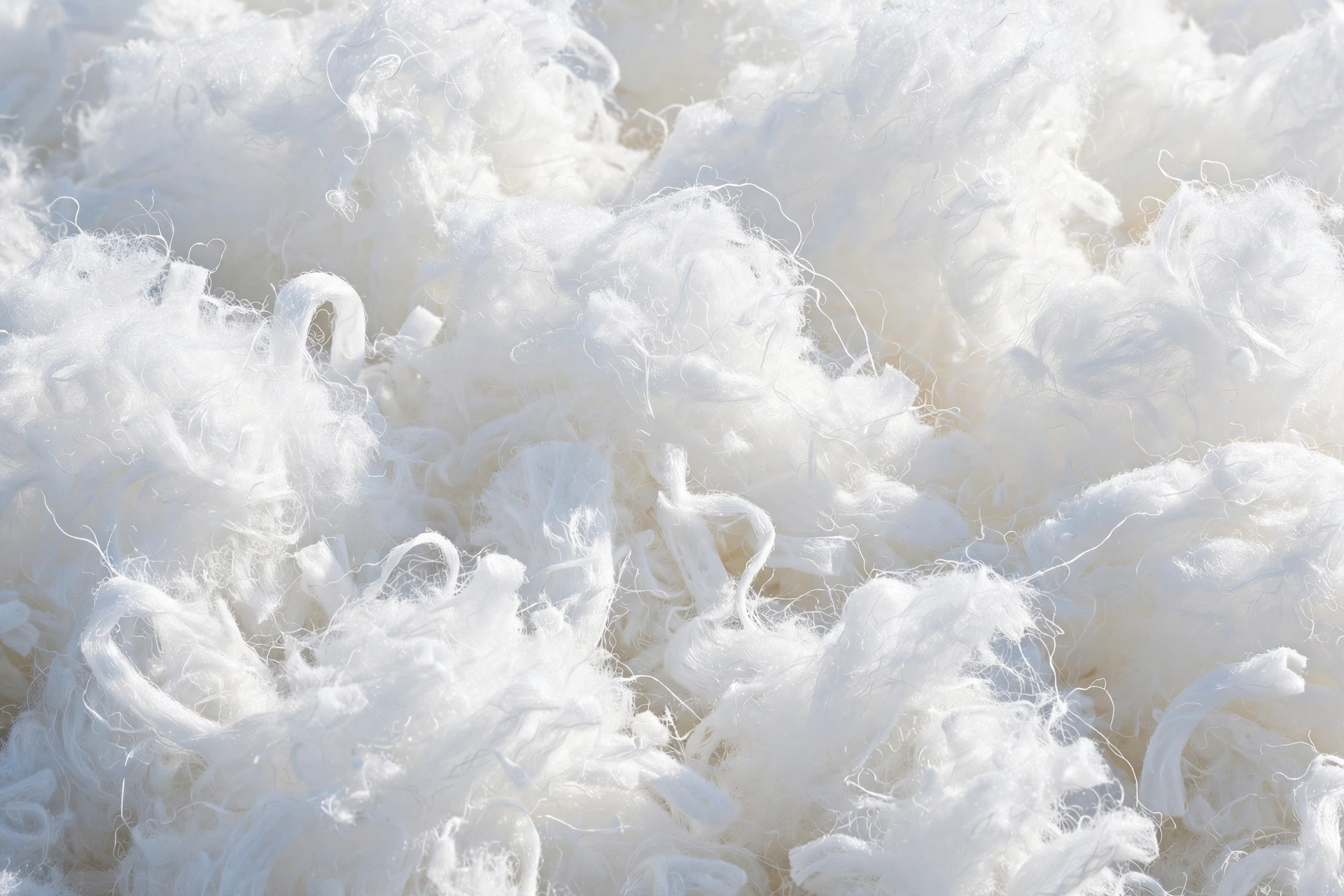
A microfibre pillow is filled with very fine synthetic fibres, usually polyester. The fibres are much thinner than those in a standard pillow filling, so they pack together softly and feel smoother to the touch. Our own listing describes it as finer than standard hollowfibre, giving a softer, silkier feel.
Two points help avoid confusion:
- Hollowfibre vs microfibre. Hollowfibre is a synthetic polyester filling in which each fibre has a hollow core, making it light and affordable. Microfibre uses finer fibres. Both are synthetic and neither contains feathers. Our guides on what is hollowfibre and hollowfibre vs microfibre go into the differences.
- Filling vs cover. Some products use microfibre for the filling, some for the cover, and some for both. The listing should say which. It is also unrelated to microfibre cleaning cloths, which belong to the same broad family of fine synthetic fabric but have nothing to do with pillow performance.
How does a microfibre pillow feel?
Expect a soft, light pillow that sinks a little under your head and feels smooth against the skin. Compared with a feather pillow it is usually less springy and less able to be moulded into a high, shaped mound. Compared with a firmly filled pillow, such as our Box-edge Pillow, it will feel gentler and lower.
We list our Microfibre Pillow at medium-soft support as a guide specification. That is a useful reference point if you are comparing it with our medium-support options. For more on what the terms mean, see how to choose the right pillow firmness and pillow loft explained.
The advantages of microfibre pillows
A soft, smooth feel
The fine fibres give a plush surface that many people like, particularly if they do not want a pillow that pushes back.
Lightweight and easy to handle
Synthetic fills are light, which makes the pillow easy to plump, move around and fit into a pillowcase or protector.
Good value
Microfibre sits at the budget end of the market. At the time of writing, our guide prices are £14.99 for the Microfibre Pillow, £12.99 for the Hollowfibre Pillow, £29.99 for the Duck Feather Pillow and £39.99 for the Duck Feather & Down Pillow. Our best budget pillows guide explains what a sensible price looks like.
No feathers or down
Because the filling is synthetic, there are no quills to poke through the cover and no feathers to leak. That is a real advantage if you have been bothered by the problem described in feathers poking through your pillow. We make no medical or allergy claims for any of our pillows, so if allergies are your reason for choosing synthetic, read dust mites in pillows and speak to a health professional.
Usually straightforward to care for
Many synthetic pillows can be washed at home, but you should always follow the care label, which for our listings is confirmed with the supplier before dispatch.
The drawbacks
Less support and spring than some other fills
This is the most common criticism. A bedding expert quoted by Expert Reviews in a comparison of feather, memory foam and microfibre says that microfibre pillows can seem appealing on price but tend to offer the least support and longevity of the three. That does not make them bad, but it does set expectations.
They can flatten and need plumping
Soft synthetic fills compress with use. A daily shake and plump helps, and our guide to how to fluff a pillow includes a section on hollowfibre and microfibre. If the pillow stays flat, our fold test will tell you whether it is time for a new one.
Too soft for some sleepers
If you like a high, firm pillow, particularly as a side sleeper with broad shoulders, a single soft pillow may leave your neck bent. You can stack it with a firmer pillow, or choose a different construction.
Quality varies
“Microfibre” on a label is not a quality guarantee. The fibre grade, the amount of filling and the cover all influence how the pillow performs, so look for a clear filling and construction description.
Who suits a microfibre pillow?
- Stomach sleepers. A softer, lower pillow keeps the head from tilting back. Our guide to the best pillow for stomach sleepers explains what to look for.
- Back sleepers who like a soft feel. A medium-soft pillow can work well if you do not need a lot of height. See best pillow for back sleeping.
- Combination sleepers who layer. A soft pillow on top of a firmer one lets you adjust the height. Read best pillow for combination sleepers.
- People who want a feather-free pillow. There is no filling to leak or poke.
- Shoppers on a budget who want to replace pillows regularly, or fit out a spare room. Our spare bed checklist shows how to mix soft and firm pillows for guests.
It may be less suitable for side sleepers who need height and firmness. Read our side sleeping guide before choosing.
Microfibre vs hollowfibre vs feather
This table uses the guide specifications and prices on our own product pages. These are confirmed with the supplier before dispatch, so check the individual listing.
| Pillow | Filling | Support (guide) | Guide price |
|---|---|---|---|
| Hollowfibre Pillow | Hollowfibre (synthetic) | Medium | £12.99 |
| Microfibre Pillow | Microfibre (synthetic) | Medium-soft | £14.99 |
| Duck Feather Pillow | Duck feather (natural) | Medium | £29.99 |
| Duck Feather & Down Pillow | Duck feather and down (natural) | Soft | £39.99 |
In general terms, hollowfibre is the practical everyday option, microfibre is the soft synthetic option, and feather fills suit people who like a natural pillow that moulds to the head. For wider comparisons, read feather, down vs synthetic pillows and duck feather vs hollowfibre.
Microfibre and “down alternative”
You may see microfibre pillows sold as “down alternative”, “feels like down” or “soft as down”. These are marketing descriptions rather than technical categories. They usually mean a fine synthetic fibre designed to imitate the softness of down without using any feathers. They can be a good option if you like the idea of a down feel at a lower price, but it is sensible to treat the phrase as a pointer rather than a specification. Look at the filling description, the cover and the stated support level.
Caring for a microfibre pillow
- Check the care label first. It overrides any general advice.
- Use a protector and wash the pillowcase regularly. It keeps the pillow cleaner between washes. See pillow protectors and pillowcase sizes.
- Plump daily. It spreads the filling and slows flattening.
- Wash only if the label allows, following our guide to washing pillows.
- Dry thoroughly. Our guide to tumble drying pillows explains how to do it safely and how to check the pillow is dry through to the centre.
- Know when to retire it. If it stays flat or smells after a proper wash, see why does my pillow smell and what to do with old pillows.
How to choose a good microfibre pillow
- Read the filling description. It should say microfibre and, ideally, how much filling is used.
- Check the support level. Soft or medium-soft suits stomach and some back sleepers; side sleepers should look for medium-firm or firm, or plan to stack.
- Look at the cover. Cotton, polyester and microfibre covers all feel different. Choose one you like against your face.
- Check the size. A standard UK pillow is around 48 x 74 cm. See UK pillow sizes explained.
- Look for a clear care label. It will tell you how to keep the pillow in shape.
- Be realistic about price. Very cheap pillows can flatten quickly. A modest step up often buys more filling and better construction.
Our Microfibre Pillow
Our Microfibre Pillow is listed at a guide price of £14.99. The guide specification is a microfibre filling and a microfibre cover, in a standard 48 x 74 cm size, with medium-soft support. As with all our products, the final specifications and price are confirmed with the supplier before dispatch, so please check the product page. You can browse it alongside the other fibre options in our microfibre pillows and synthetic fill pillows collections.

Frequently asked questions
Are microfibre pillows any good?
Yes, for the right person. They are soft, light and affordable, and they contain no feathers. They are generally less supportive and less long-lasting than higher-end fills, so they suit people who want a soft pillow or a budget option.
Is microfibre the same as hollowfibre?
No, although both are synthetic. Hollowfibre uses fibres with a hollow core, and microfibre uses much finer fibres, which gives a softer, silkier feel.
Are microfibre pillows good for side sleepers?
Often they are too soft and low on their own. Side sleepers usually need more height and firmness, so consider a firmer pillow or layering. See our side sleeping guide.
Are microfibre pillows good for stomach sleepers?
They often work well, because a soft, low pillow helps keep the neck in a more neutral position. See best pillow for stomach sleepers.
Can you wash a microfibre pillow?
Many can be washed at home, but you should follow the care label. Our washing guide and drying guide explain the general approach.
How long do microfibre pillows last?
It varies with quality, care and how you sleep. Look for lasting flatness, lumps or a smell that washing does not remove, and use the fold test in our replacement guide.
Are microfibre pillows hypoallergenic?
We make no medical or allergy claims. The filling is synthetic, but if you have allergies, please seek medical advice and read our guide to dust mites in pillows.
The bottom line
Microfibre pillows are good at what they set out to do: provide a soft, light, feather-free pillow at a modest price. They are not the most supportive or the longest-lasting option, so they suit stomach sleepers, soft-pillow lovers and budget buyers better than side sleepers who need height. Choose by feel and support level rather than by the label, and look after the pillow so it stays plump.
Ready to try one? See the Microfibre Pillow or browse the Pillow Store collection.